Singing Teacher Training
Adeline Toniutti Method
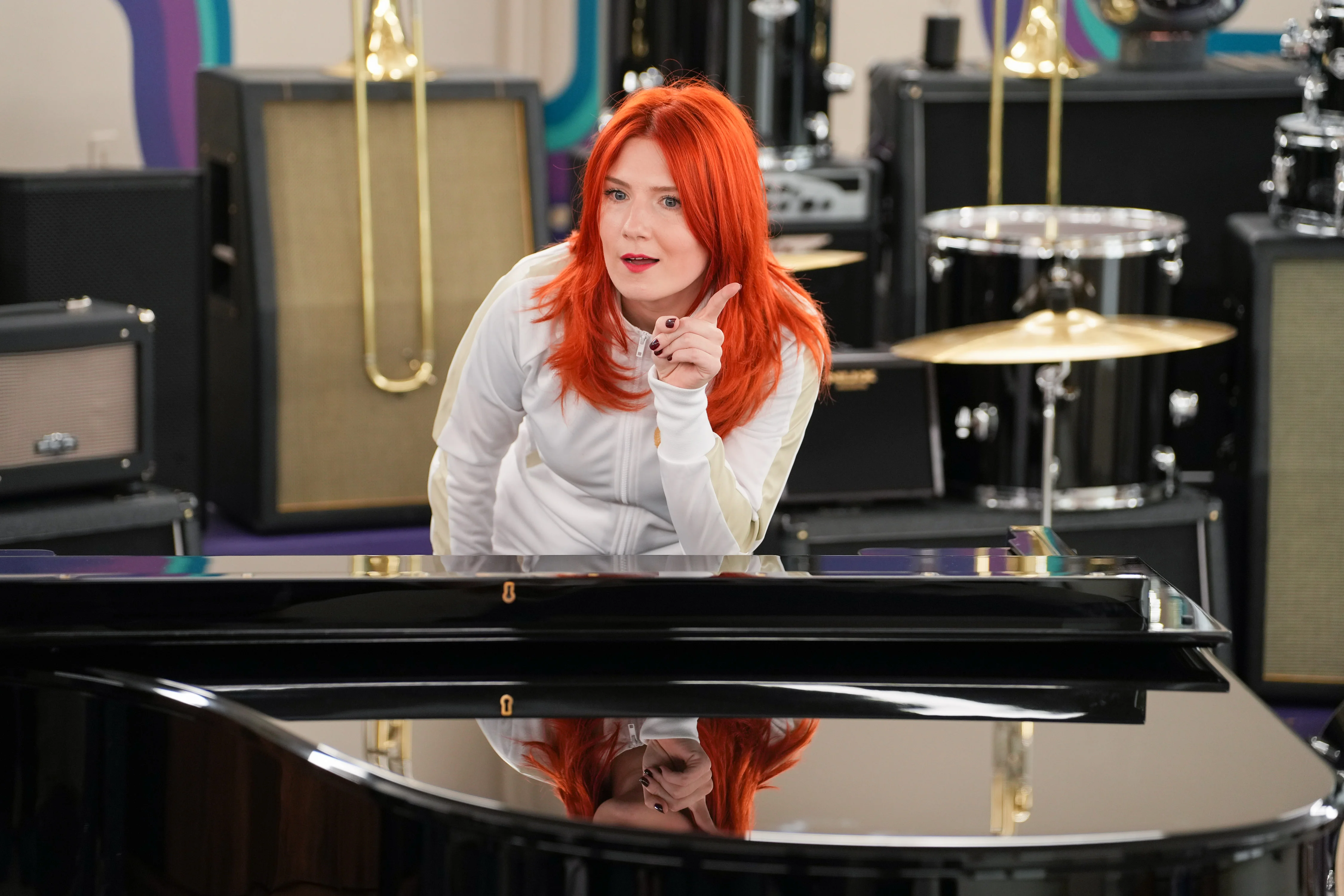
Adeline Toniutti opens her first teacher training session for her singing method.
OBJECTIVES
Training in the Adeline Toniutti Singing Method
Adeline Toniutti, founder of the Adeline Toniutti singing method, created in collaboration with 26 voice and body specialists
Training objectives:
- 1. Acquire the latest knowledge on the anatomy and physiology of singing, drawn from the combined perspectives of doctors and specialists, and learn to convey precise technical information to a student.
- 2. Based on the 5 pivot points, learn to identify the different technical obstacles and optimization points of the vocal gesture in a singer, identify the most appropriate technical responses drawn from the 5 pivot points, and learn to convey them at the right moment to achieve the best results.
- 3. Define an effective teaching framework, learn to adapt to the uniqueness of each singer, and master a clear pedagogical discourse based on the Adeline Toniutti method. Learn to support a singer's progress both within individual lessons and over time.
- 4. Guide singers in establishing healthy vocal habits and building a network of professionals and resources to preserve the singer's vocal health.
- 5. Access a network of industry and professional contacts.
CONTENT
Training Content
Deepen your anatomical and physiological knowledge of the respiratory and phonatory system with invaluable insights from the combined perspectives of doctors, specialists, and Adeline Toniutti on the mechanisms, muscles, and organs involved in breathing and sound production: the respiratory system, phonation muscles, diaphragm, abdominal muscles, laryngeal action, articulators, and resonators.
2.1. The singer's posture
How to help a singer find and maintain proper postural balance? Discover practical exercises to help your students optimize their vocal gesture, working in particular on the neck, shoulders, and pelvis.
2.2. The correct laryngeal movement
How does laryngeal movement influence the performance and vocal health of singers? Identifying the best movements for the larynx is key to ensuring healthy vocal practice for singers and helping them access a broader palette of tonal colours. Discover the best advice for performing the correct laryngeal movements and freeing the vocal gesture.
2.3. Optimizing exhalation
Your students run out of breath, struggle to reach high and low notes, or sing "in apnea"? Discover how to overcome these problems by optimizing the singer's active exhalation.
2.4. Making the sound resonate
The ventricle of Morgagni, the laryngeal vestibule, the pharynx, the soft palate, and the nasal and oral cavities are all resonators that modify the colour of the sung sound. But how can we act on them? Discover the key role of the jaw, the tongue, and the lips in helping the singer achieve the desired sound.
2.5. The pronunciation of vowels and consonants
Your students are looking for the balance between singing intelligibly, applying the desired colours, and conveying the necessary emotion? Discover the anatomical points that allow you to think and place vowels and consonants with the goal of sustainability (you do not damage your voice), performance (once you have produced a sound, any other sound can follow), and adaptability (you can produce any colour and any emotion at any time).
Discover with concrete examples and the fruits of specialist research the different laryngeal mechanisms (fry voice, chest voice, head voice, and whistle voice) and registers (belted voice, mixed voice, etc.) behind the many aesthetics demanded by contemporary music and classical singing.
What are the most common mistakes made by French-speaking singers when singing in English? Discover the best advice for teaching singing in English, and help your students respect the pronunciation and dynamics of words.
How to give the right information at the right moment to the artist? How to guide them in building their instrument and artistic identity? Adeline Toniutti shares her pedagogical method to help you achieve the best results and progress with artists. Pass on the art of singing and teach the five pivot points with effectiveness and safety.
Adeline Toniutti shares with you her advice and the advice of specialists for preserving your voice and maintaining a healthy, sustainable vocal practice. Also discover the various afflictions and pathologies of the voice and ways to prevent or cure them.
CAREER OPPORTUNITIES
What career opportunities?
Future singing teachers
Start a career as a singing teacher with the latest knowledge available, to teach a healthy, sustainable vocal practice with effective results for singers.
Current singing teachers
Update your knowledge with new anatomical-physiological data and add a new string to your pedagogical bow with the Adeline Toniutti method.
Join the CALYP trainer network and gain access to future training sessions by Adeline Toniutti.
« The art of a maestro is to impart deep knowledge at the right moment, at the right tempo, when it is time to share it with the artist »
Adeline Toniutti
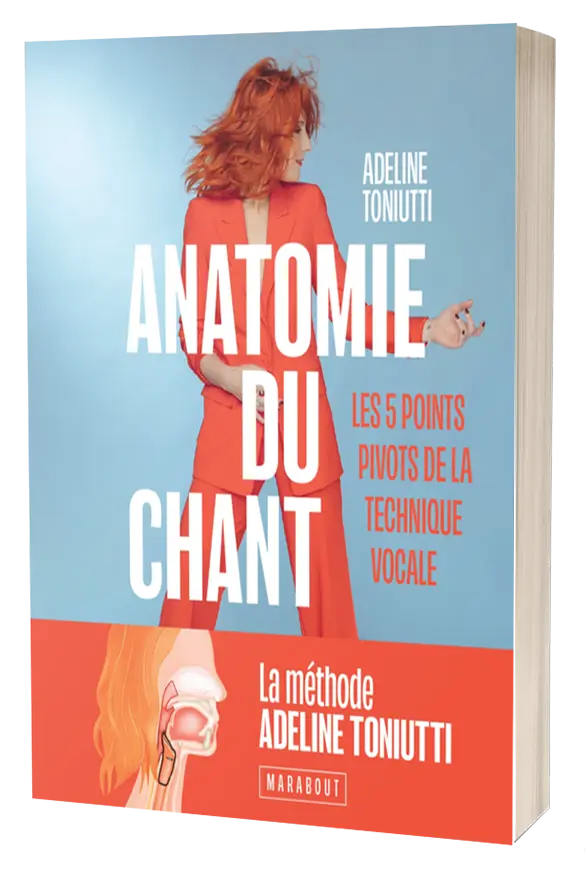
Anatomie du Chant - The Adeline Toniutti Method is available in bookshops
Order Now