Dysphonia
VOICE CLINIC
Understanding voice disorders: causes, symptoms, diagnosis, and treatment. Expert medical care combined with vocal rehabilitation at CALYP.
DEFINITION
Definition of Dysphonia
Dysphonia is a voice disorder that can affect its intensity, pitch, and timbre.
It can have several causes: inflammatory, traumatic, tumoral, or neurological.
Dysphonia is a disorder of the speaking voice that presents several symptoms:
- Voice intensity is altered, the volume of the voice is modified
- Voice pitch is different, with a lower voice in women or a higher voice in men;
- Voice timbre is damaged, resulting in a hoarse, veiled, or rough voice.
- Dysphonia appears suddenly or progressively, with a sensation of discomfort that varies from person to person.
In professional singers or people who use their voice extensively, it often leads to a cessation of professional activity.
Among dysphonias, note spasmodic dysphonia, which generally occurs between the ages of 45 and 50, requires psychological intervention, and whose causes have not yet been fully elucidated.
CAUSES
Causes of Dysphonia
When vocal cord vibrations are altered, we speak of dysphonia. In most cases, clinical examination reveals a lesion, inflammation, or other impairment.
Among the causes of dysphonia are:
- inflammations, acute or chronic
- tumors, benign or malignant
- various traumas, particularly at the laryngeal level, for example following thyroid surgery
- neurological disorders, caused by damage to specific nerves
Inflammatory Causes
In many cases, this voice disorder can be the consequence of laryngitis, an inflammation affecting the larynx.
- Acute laryngitis in adults, often of infectious or traumatic origin, which appears quite suddenly and lasts from a few days to a few weeks;
- Chronic laryngitis, primarily caused by smoking but can also occur with alcoholism, irritation from vapors or dust, vocal overuse, pharyngeal infections, or recurrent rhinosinusitis;
- Specific laryngitis, rare inflammations of the larynx, including laryngeal tuberculosis, laryngeal syphilis, laryngeal sarcoidosis, and laryngeal mycosis.
Tumoral Causes
In certain cases, dysphonia can be the consequence of tumors in the throat area:
- benign tumors, such as glottic and supraglottic tumors;
- malignant tumors, or throat cancers, such as vocal cord cancer, supraglottic cancer, or subglottic cancer.
Traumatic Causes
Dysphonia can be caused by various traumas to the larynx such as:
- external laryngeal trauma, particularly during a contusion, fracture, or dislocation;
- internal laryngeal trauma, particularly from a post-intubation granuloma (an inflammatory tumor occurring after intubation) or cricoarytenoid arthritis (inflammation of the cricoarytenoid joints in the larynx);
- sequelae of partial laryngeal surgery.
Neurological Causes
Several neurological disorders can explain the onset of dysphonia. Among these disorders are:
- laryngeal paralysis due to motor nerve damage, particularly in cases of post-operative lesions or tumors of the thyroid, trachea, or esophagus;
- diabetic neuropathies, which are complications of diabetes;
- Guillain-Barre syndrome, an autoimmune disease affecting the peripheral nervous system;
- multiple sclerosis, an autoimmune disease affecting the central nervous system;
- brainstem vascular accidents.
What Are the Consequences?
Generally, a person with dysphonia will experience difficulties speaking or expressing themselves through spoken or singing voice.
The disorders may disappear or worsen; depending on the case, the ENT surgeon will recommend a surgical or rehabilitative solution.
I Am a Singer and I Am Experiencing Dysphonia Symptoms
Seeking immediate medical care is the top priority to prevent the situation from worsening.
It is strongly inadvisable to continue vocal activity without medical advice.
Note that some phoniatrists accept emergency consultations, while others do not. Arm yourself with a directory and a telephone!
In general, professionals who use their voice can only be advised to schedule regular visits with a specialist.
Nodules, Polyps, Edema, Dysphonia: Vocal Cord Diseases, the Singer's Nightmare
Who has not heard of these well-known benign pathologies which, while not endangering our lives, are synonymous with a temporary career halt?
Even if you will not often hear singers discuss their voice problems, given the number of operations performed worldwide, the figure is much higher than we are led to believe.
Singers are not the only ones affected, as there are also children and people who use their voice extensively, such as schoolteachers who have damaged it.
Symptoms of a Vocal Cord Lesion and/or Disease
The appearance of a lesion is characterized by fairly recognizable symptoms: reduced vocal range (ambitus), decreased volume, difficulty producing vocal cord vibration while speaking and/or singing, a different timbre than before, and above all, no return to normal after vocal rest.
Singers often only realize they have a pathology such as a nodule or polyp once it is already established.
The Singing Teacher's Attitude Facing Voice Problems and/or Vocal Cord Disease
It is the responsibility of the vocal coach and/or singing teacher to verify that the technique taught is consistent with the functioning of the phonatory apparatus.
We have observed that very often the singer finds themselves abandoned by their entourage at the time of diagnosis — teachers, fearing being held responsible, shift their own responsibility onto the singer.
Poor Vocal Habits Can Lead to Vocal Cord Lesions
At the risk of displeasing, a teacher's role is to warn singers that their vocal habits can — if inadequate or even dangerous — lead to a complete cessation of vocal practice and require surgical intervention.
DIAGNOSIS
Vocal Assessment: An Essential Examination to Prevent Vocal Cord Disease
It is essential that teachers send their students for regular check-ups with a specialist.
However, the occurrence of a nodule or polyp does not signal the end of a career. This pathology, however unpleasant, can be treated through rehabilitation and/or surgical intervention.
The real problem is the post-operative phase: how to avoid resuming the forced vocal gesture that caused the vocal cord disease in the first place.
Certain surgeons such as Dr. Perouse, Dr. Coulombeau, Dr. Malitchenko, and Dr. Jacobs prescribe vocal rehabilitation prior to the operation in order to prepare the patient to review and correct their vocal technique.
Vocal Rehabilitation: From Spoken Voice to Singing Voice
While speech therapists are trained to address spoken voice problems, it is often difficult for them to resolve issues with singing vocal technique.
After numerous discussions with renowned surgeons, we clearly understand that speech therapy work is fundamental, but the problem often arises from inadequate or even dangerous vocal gestures in singing practice — for example, singing too loudly or in an unsuitable repertoire.
This is followed by a kind of psychological trauma that prevents the singer from returning to the stage and their career under good conditions.
EXPERT CARE
The Centre d'Art Lyrique de Paris Team: A Unique Response to Voice Problems and Vocal Cord Diseases
At the Centre d'Art Lyrique de Paris, we have brought together several medical specialists who, driven by the same goal — to offer solutions to people suffering from vocal cord pathology — work together toward the treatment of vocal cord diseases.
Medical management of voice disorders involves consultation with specialists (ENT surgeon, phoniatrist), complemented by other disciplines: psychological support, speech therapy, vocal technique lessons, osteopathic and physiotherapeutic care, etc.
You may consult the list of specialists who are members of CALYP-Centre d'Art Lyrique de Paris or those who actively participate in patient care.
Dr. Perouse (ENT surgeon), Dr. Albert Jacobs (ENT surgeon), Dr. Coulombeau (phoniatrist), Dr. Natalie Malitchenko (phoniatrist), Dr. Jean Charmoille (psychiatrist, psychologist, and psychoanalyst), Maryse Beaupied (osteopath/etiopath) are trusted specialists who work together for the healing of patients.
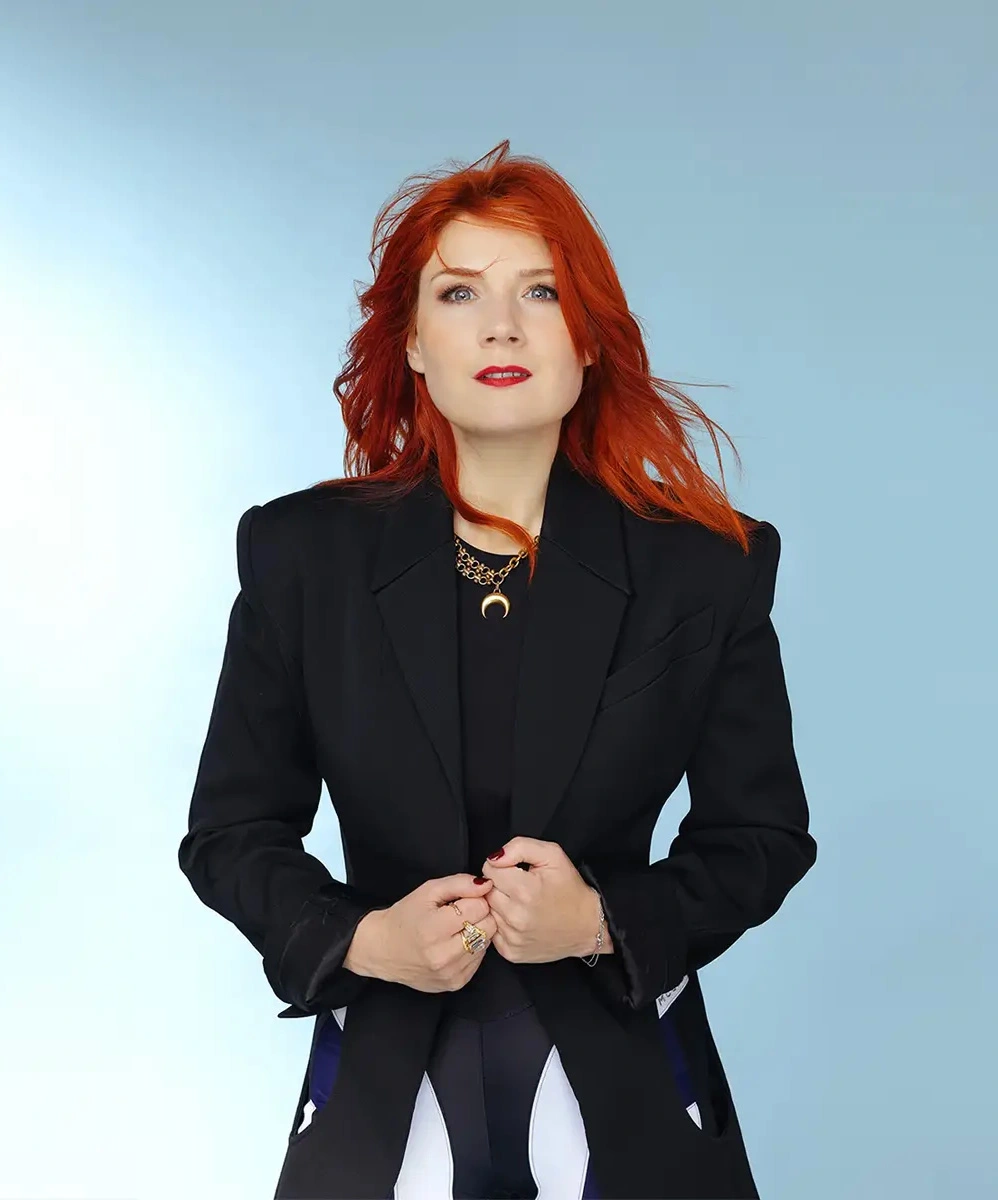
This team is led by our president Adeline Toniutti, a renowned vocal coach passionate about phonatory apparatus physiology and various vocal techniques, from interpretation to stage direction.
DOCUMENTARY
Operation Opera: An Immersive Documentary in the ENT Operating Room
A documentary film shot at Clinique des Portes du Sud in Venissieux in 2017, Operation Opera deals with more complex pathologies (open cysts, sulcus with mucosal bridges) and offers total immersion in the operating room of Dr. Perouse and CALYP members.
The CALYP International Voice Colloquium
CALYP organized two international colloquia on voice, singing, medicine, and psychoanalysis — in 2022 and 2023 — bringing together physicians, artists, and specialists around the topics of voice and pathologies.
Different Vocal Techniques: From Belting to Lyric Voice
Moving from one technique to another, being able to explain it and teach it safely is one of the main concerns of our voice specialist Adeline Toniutti.
Why create impenetrable barriers between all these vocal techniques that are so many appreciated forms of expression?
Why deprive oneself of trying one or the other? Why should it be forbidden for a lyric singer to try jazz — especially while maintaining the original aesthetic — that is, without using their lyric voice?
In the United States, the barrier is more permeable and allows artists to explore multiple techniques.
In France, we must hide our attempts to try different styles.
We would say that it is the entire French system that pushes teachers to specialize and thereby forces singers to create an artistic bubble, cut off from a large part of the musical world. Luciano Pavarotti understood this well and reached out to "pop" artists in his time, becoming the most publicly known tenor.
Today, without claiming to be excellent in all areas, some great singers venture into different styles and show us that it is an enriching experience for them and for the audience:
Let us mention Celine Dion, who tried a few notes from Bizet's Carmen, Natalie Dessay, the great French opera star who sings Michel Legrand, and Lady Gaga, who enjoys varying vibrato and very "belting" sounds in her songs.
The Vocal Coach: An Increasingly Diverse Role
Following the example of Emmanuel Macron, who was coached by a well-known opera singer, senior executives are increasingly turning to vocal coaches to improve their oral presentations, whether in public or in small committees.
Taming your voice means developing your leadership. There is no need to explain how much the voice relies on breath and how much it communicates about the speaker.
Mastering your voice means ensuring that you truly convey your thoughts to your audience, whether experienced or not.
Controlling speech rate, adjusting tone, and using physical postures allow executives to communicate within their companies and motivate all teams to achieve goals.
Adeline Toniutti even offers role-playing exercises that involve acting out a situation that caused difficulty for the executive, in order to understand the issue and correct it.
This work can be combined with psychological work and playful exercises with sung sounds.